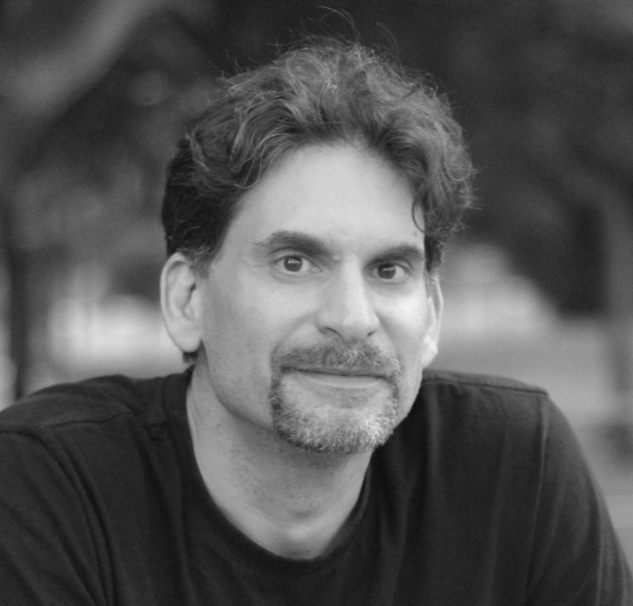

Doron Tsur needs no introduction to those in Israeli television. The creator of "M.K. 22" and "Shabas," two of the most acclaimed Israeli TV productions in recent years, and currently a creative lead at Overwolf - he is someone who spent decades in an industry where every frame contained the labor of an entire crew. Vendors, editors, cinematographers, studios. Every video was a project.
This week, in an interview published in a marketing community, Tsur shared what things look like now. He has become a "one-man studio" powered by AI. Not as an experiment, not as a temporary fix - as a way of working.
What Changed and How Fast
The effect Tsur describes is almost impossible to grasp without seeing it. Just two or three years ago, producing a reasonable campaign video for an organization - nothing spectacular, just a functional promo - required thousands of dollars, managing multiple vendors and crews, and weeks of waiting for a final deliverable. Any delay from one vendor cascaded through the entire chain.
Today, with a smart workflow combining writing tools like Claude with video and sound generators, it's possible to produce accurate visual content within hours, at a budget that would have seemed impossible a short while ago. The bottleneck that always sat in budget and logistics has moved. It moved to where it always should have been - to talent and direction.
What This Means for Marketers
The framing Tsur chose is precise: "one-man studio." This doesn't mean one person doing twenty people's work. It means someone with talent, vision, and the ability to direct can now produce value that previously required an entire infrastructure. The implications for the creative labor market are clear and complicated simultaneously. The implications for marketers are clearer: you now have access to production capabilities that once belonged only to large companies.
The question is no longer "can we afford to produce this?" The new question is "what exactly do we want to say?"
Talent Remains Essential
It's important to add what Tsur emphasizes: AI doesn't replace talent. It accelerates it. Someone who doesn't know how to direct visual content, build a narrative, or understand what works - won't produce better content with AI than without it. The tool only amplifies what's already there. A one-man studio works because that one man is Doron Tsur, with decades of experience behind him.
That's the real story this week. Not "AI replaces everyone," and not "everything stays the same." Rather: talent continues to be decisive, but the barriers that separated it from the final product are collapsing.