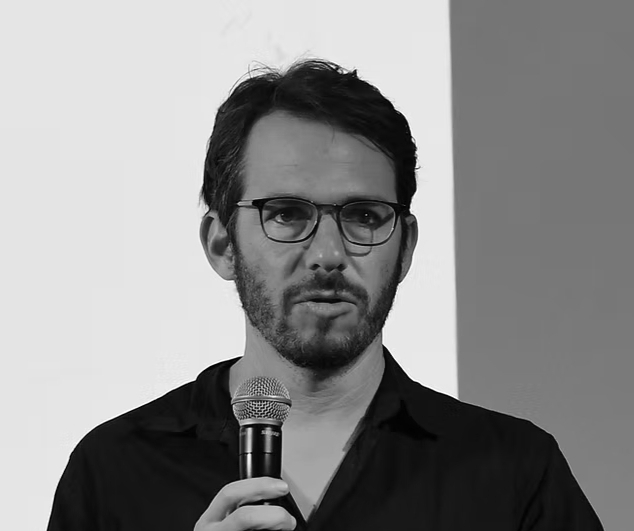

The new season of HBO's "The Comeback" provides the perfect fictional frame for a real industry tension: studios using AI to write scripts, desperate to hide the algorithmic cost-cutting, with results as synthetic as saccharine. Creative strategist and Comedy Brigade founder Omri Marcus uses this backdrop to diagnose, with precision, why generative AI fundamentally fails at comedy writing — and why the gap may never fully close.
Too Mentally Healthy to Be Funny
Marcus's central argument is paradoxical: AI models fail at comedy precisely because they are too mentally healthy. They have no nervous system, no broken heart, no parents to disappoint. Great comedy is born from pain, shame, and the fear of failure — all structurally absent from a system programmed to be helpful and harmless. What makes for excellent customer service is, Marcus argues, an absolute disaster for human writing.
The RLHF Trap: Killing the Subtext
On a more technical level, Marcus points to RLHF — Reinforcement Learning from Human Feedback — which trains language models to resolve conversational conflict as quickly as possible. This is fatal for cringe comedy, which depends on subtext: characters using words to hide pain and protect ego. The AI resolves the joke the moment it "heals" the verbal conflict that was supposed to fuel it, extinguishing the punchline before it arrives.
The Placebo Effect and the Broken Contract of Empathy
Citing a March 2026 study by psychologist Mark Thornton, Marcus notes that audience reaction to AI-generated text resembles the placebo effect. Even a structurally perfect joke loses its power the moment the audience knows the author is a server farm incapable of embarrassment. A comedian risks real dignity; the machine has no skin in the game. The punchline lands hollow.
The Probability Ceiling and the Rise of Shadow Drafting
The fifth and most architectural failure: AI is a statistical engine predicting the most probable next word, while a genius punchline requires the least probable word that somehow connects perfectly. The machine gravitates toward the mean; comedy lives at the fringes. Two years of running the same Seinfeld-style joke experiment confirmed exponential improvement followed by a hard plateau.
The emerging response is "Shadow Drafting" — studios deploying AI agents to check plot holes and optimize narrative structure, while leaving punchlines to flawed, neurotic humans. Marcus's conclusion: the machine can build the perfect set and optimize the lighting. But the stage will remain empty until a broken human steps onto it, makes a fool of herself, and reminds us why we still need imperfect people to make great television.